If you are drawn to neighborhoods with real character, Flamingo Park stands out quickly. This West Palm Beach historic district blends early 20th-century architecture, mature landscaping, and a close-in location that gives you a residential setting without feeling far from the city’s energy. If you are wondering what makes the area special, or what to know before buying here, this guide will walk you through the homes, the setting, and the lifestyle appeal. Let’s dive in.
Why Flamingo Park Stands Out
Flamingo Park is a residential district just southwest of downtown West Palm Beach. According to its National Register documentation, the district covers roughly 95 acres and was officially platted on May 17, 1921. Its period of significance runs from about 1921 to 1949, which helps explain why the neighborhood has such a consistent historic feel.
The neighborhood’s setting adds to its appeal. A Florida historical marker notes that Flamingo Park developed during the Florida Land Boom era and includes 501 contributing structures. It also sits on one of the highest coastal ridges between downtown West Palm Beach and Miami, giving parts of the area a sense of elevation and visual distinction.
Historic Homes With Lasting Character
One of Flamingo Park’s biggest draws is its architecture. The dominant style is Mission Revival, with Mediterranean Revival also strongly represented. You will also find Frame Vernacular, Minimal Traditional, Masonry Vernacular, Art Moderne, American Foursquare, Colonial Revival, and Craftsman/Bungalow homes throughout the district.
More than half of the contributing buildings were constructed in the 1920s, while much of the rest dates from about 1930 to 1949. That gives the neighborhood a broad but still cohesive architectural story. Instead of feeling like a collection of unrelated homes, Flamingo Park tends to feel visually connected from block to block.
Mission Revival Homes
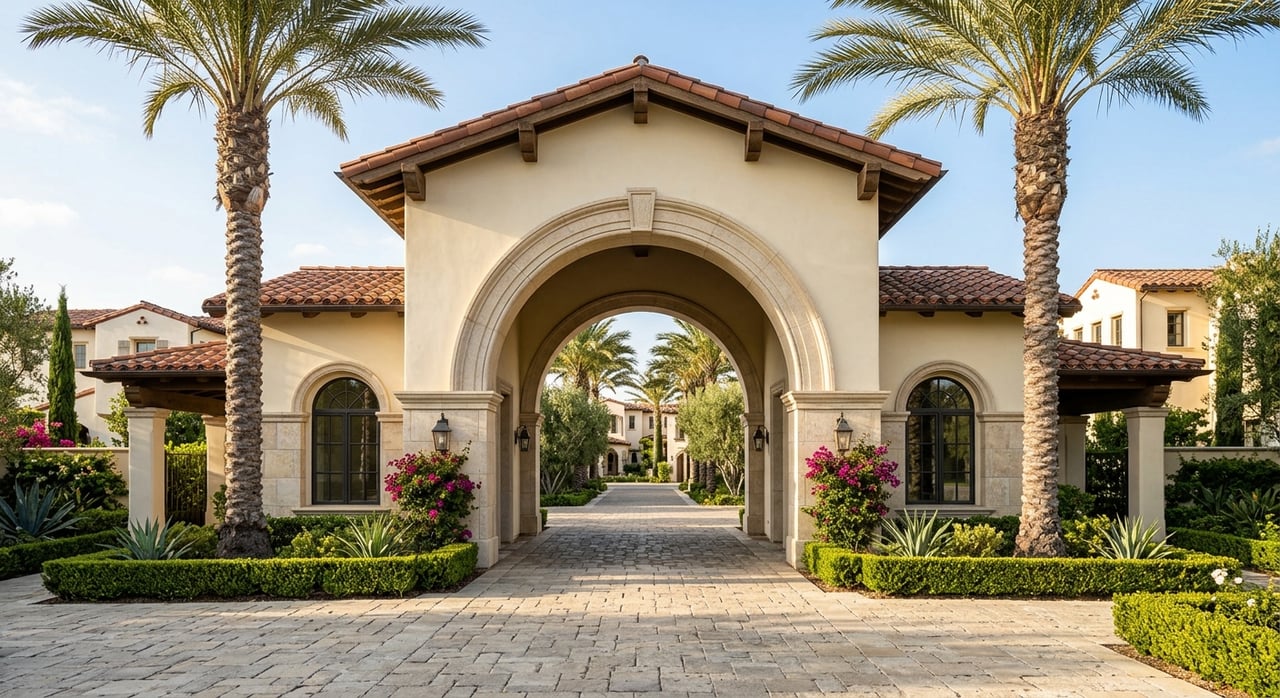
Many Mission Revival homes in Flamingo Park are one-story stucco residences with clay tile roofs, arched openings, and deep porches. These features help create the classic South Florida historic look that many buyers picture when they start exploring older West Palm Beach neighborhoods. The style often feels warm, relaxed, and approachable.
Mediterranean Revival Homes
Mediterranean Revival homes are also a major part of the neighborhood’s identity. The National Register documentation describes these houses as generally larger and often two-story, with textured stucco walls, clay-tile roofs, and more decorative detailing. If you love historic homes with a little more drama and ornament, this style often delivers that feeling.
Details That Shape the Streetscape
Flamingo Park’s character is not limited to the main houses. The district also includes garages and garage apartments, reflecting early suburban automobile use. These details matter because they help preserve the neighborhood’s original pattern of development and add another layer of charm to the streetscape.
A Residential Feel Near Downtown
Flamingo Park was identified in the National Register nomination as one of West Palm Beach’s early middle-class suburbs outside the downtown core. That history still shapes the experience of the neighborhood today. You get a more residential environment while staying close to major city destinations.
For many buyers, that balance is a big part of the appeal. You can enjoy a neighborhood known for historic homes and mature landscaping while keeping downtown shopping, dining, and events within easy reach. That combination is not always easy to find in South Florida.
The Landscape Adds to the Appeal
Architecture is only part of what makes Flamingo Park memorable. The National Register nomination notes rows of palms and live oaks throughout the area, which contribute to the neighborhood’s established look. Mature greenery can make a historic district feel more settled, shaded, and visually layered.
The terrain also plays a role. Homes between Parker Avenue and Georgia Avenue sit above street level because the land slopes sharply from west to east. That elevation, paired with the landscaping, helps create the neighborhood’s distinctive visual rhythm.
A Resident-Led Neighborhood Culture
Flamingo Park’s appeal is also about how the neighborhood functions day to day. The Flamingo Park Neighborhood Association says its mission is to promote safety, welfare, quality of life, and the natural beauty and historic significance of the neighborhood. The association formed in 1987, and Flamingo Park later became a city historic district in 1993 before being listed on the National Register of Historic Places in 2000.
That kind of organized neighborhood involvement often signals long-term pride in the area. The association hosts public home tours, garden tours, yard sales, social hours, and a House of the Month recognition program. For buyers, that suggests a place where exterior upkeep, preservation, and community participation are active parts of neighborhood identity.
Outdoor Access and Nearby Amenities
If outdoor access matters to you, Flamingo Park has some practical advantages. Howard Park and Community Center, located at 1302 Parker Avenue, offers bicycle paths, outdoor gym equipment, picnic tables, a playground, paved walking trails, pickleball, and tennis. The City of West Palm Beach also tags its Flamingo Park facility at 1751 South Dixie Highway for nature and parks-and-gardens use.
These amenities help support an outdoor-oriented lifestyle close to home. Whether you like a morning walk, a place to play tennis, or convenient green space nearby, this part of West Palm Beach gives you options without leaving the neighborhood area.
Close to Shopping, Dining, and Events
One reason Flamingo Park appeals to both locals and relocators is its access to some of West Palm Beach’s best-known shopping and entertainment districts. The City of West Palm Beach identifies The Square, Clematis Street, Antique Row, and Northwood Village as major districts. That means residents are close to a strong mix of retail, dining, design destinations, and city events.
Clematis Street regularly hosts the West Palm Beach Antique and Flea Market, and city materials note that restaurants line the street. Antique Row is promoted as the West Palm Beach Art & Design District and is known for pedestrian-friendly shopping events along South Dixie Highway. For many buyers, this nearby activity adds convenience and variety to daily life.
The city’s downtown and City Center redevelopment information also highlights CityPlace and Clematis Street, noting Clematis Street’s recognition as one of America’s top streets. In practical terms, Flamingo Park offers a historic residential setting with quick access to one of the city’s strongest clusters of dining, shopping, and event activity.
What Buyers Should Know Before Purchasing
Historic neighborhoods can be rewarding, but it is smart to go in with clear expectations. In West Palm Beach, a Certificate of Appropriateness is required for exterior changes to historic properties, while interior remodeling is not reviewed by the city’s historic preservation process. If you are planning to update a home, that distinction matters.
The city also says additions are generally expected on the side or rear of a home. Demolition of contributing properties is generally not supported. If preserving original character matters to you, these rules may feel reassuring. If you want major exterior changes, they are important to understand early.
Not Every Home Has the Same Status
A key point for buyers is that not every house in a historic district is considered historic in the same way. The City of West Palm Beach explains that historic districts include both contributing and noncontributing properties. Some homes are newer, while others may have been altered enough that they no longer count as contributing resources.
That is why it is important to verify the status of any specific parcel before making assumptions. Two homes on the same street may not have the same review standards or historic classification. Clear due diligence can save time and help you plan renovations more confidently.
Taxes and Potential Incentives
Historic district properties are taxed no differently than non-historic properties, according to the City of West Palm Beach. That often surprises buyers who assume historic designation automatically changes the tax structure. In this case, the city’s guidance is straightforward.
The city also states that qualifying improvements may receive a ten-year city and county ad valorem tax exemption if the owner applies before work begins. If you are considering a restoration or substantial qualifying work, that is worth exploring early in the process.
Is Flamingo Park Right for You?
Flamingo Park tends to appeal to buyers who want more than square footage alone. You may be drawn to the neighborhood if you value historic architecture, mature landscaping, resident-led community activity, and access to downtown West Palm Beach. It is a good fit for people who appreciate the tradeoff that often comes with older homes, which is more character and context, along with more need for thoughtful planning.
If you are exploring West Palm Beach neighborhoods and want help comparing lifestyle, property type, and long-term fit, working with a calm, local advisor can make the process much easier. If you would like guidance as you evaluate historic homes or nearby resale opportunities, connect with Sarah Gandrey for clear, thoughtful support.
FAQs
Are all homes in Flamingo Park historic?
- No. The City of West Palm Beach says historic districts include both contributing and noncontributing properties, so a specific home’s status should always be verified.
Can you renovate a home in Flamingo Park?
- Yes, but exterior changes to historic properties generally require a Certificate of Appropriateness, while interior remodeling is not reviewed through the city’s historic preservation process.
Does historic district status change property taxes in Flamingo Park?
- No. The City of West Palm Beach states that historic district properties are taxed no differently than comparable non-historic properties.
What architectural styles are common in Flamingo Park?
- Mission Revival is the dominant style, with Mediterranean Revival also strongly represented, along with several other early-to-mid 20th-century architectural styles.
What is the lifestyle appeal of Flamingo Park in West Palm Beach?
- Flamingo Park offers a historic residential setting, mature landscaping, neighborhood events, nearby parks, and quick access to downtown West Palm Beach shopping, dining, and entertainment districts.