If you are thinking about buying a condo in Downtown West Palm Beach, you are not looking at just one type of home. You are choosing between very different buildings, lifestyles, and price points in one of Palm Beach County’s most active urban neighborhoods. This guide will help you understand what condo living downtown really looks like, what to compare before you buy, and how to decide whether it fits the way you want to live. Let’s dive in.
Downtown condo living looks different by block
Downtown West Palm Beach has grown into a true residential district, not just a small collection of towers. The city’s Downtown Master Plan reported 7,716 units as of February 2023, with nearly 1,300 residential units completed over the prior ten years. The same plan also emphasizes a downtown built around pedestrian, bike, and transit connections.
That matters because condo living here is shaped by the surrounding streets, not just the unit itself. Some areas feel more waterfront-focused, some lean more mixed-use and retail-centered, and others blend taller buildings with quieter interior residential blocks. Your day-to-day experience can change a lot depending on where in downtown you buy.
Downtown West Palm Beach condo styles
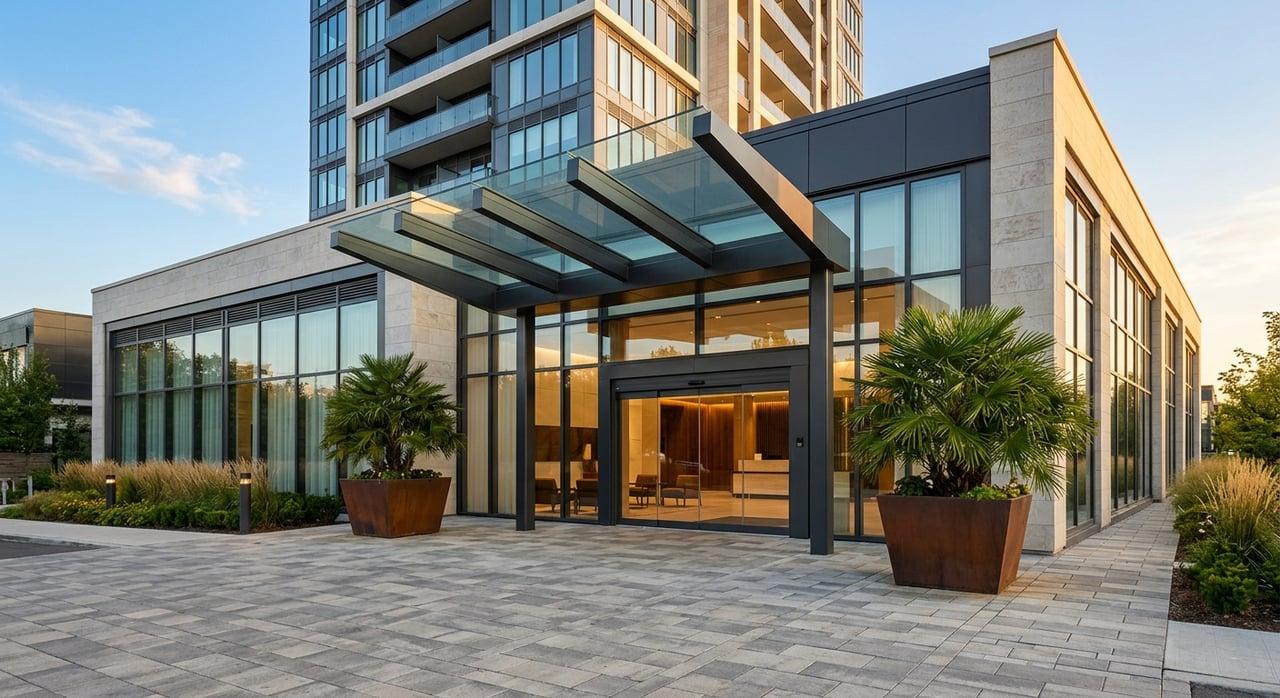
The condo market downtown is not one-size-fits-all. According to the city’s planning documents, the Flagler Waterfront includes high-rise condominium buildings and office towers, while CityPlace includes lower-scale mixed-use buildings along with mid-rise and high-rise development. Quadrille Garden is known for higher density and taller buildings along Quadrille Boulevard, with mid-rise residential areas farther inside the district.
In practical terms, you may be deciding between a loft-style building, a boutique mid-rise, or a full-service tower. That can affect everything from views and amenities to lobby style, parking setup, and monthly ownership costs. It is one reason downtown buyers benefit from comparing buildings individually instead of assuming all condos offer the same experience.
The Downtown Development Authority housing guide shows how varied the options are. For example, 610 Clematis is an 8-story modern building with a landscaped pool deck, spa, and gym. One City Plaza mixes traditional condos with true lofts, Montecito is a 16-story high-rise, The Metropolitan is an 8-story boutique building, and Two City Plaza is a 21-story condominium.
Pricing runs above the city average
If you are budgeting for a downtown condo, it helps to know that prices generally run higher than the broader West Palm Beach condo market. Recent market data for ZIP code 33401 showed a 2025 median sale price of $446,000 for condos and townhomes, with an average sale price of $887,940. In Q4 2025, the median was $430,000 and the average was $826,271.
That same Q4 2025 report showed the citywide West Palm Beach condo and townhome median at $325,000. In other words, downtown pricing sits above the citywide norm. That premium reflects the location, the urban setting, and in many cases the building amenities and views.
It is also important to think in terms of a range rather than one number. Downtown prices can shift significantly based on floor height, water exposure, building age, and amenity level. Two condos with the same bedroom count may feel very different in value depending on whether one is in a boutique building and the other is in a larger full-service tower.
Amenities can shape your monthly costs
Many downtown condo buyers are balancing convenience against space. Some buildings focus on simple, practical living close to restaurants, shops, and transit. Others offer a more full-service feel with stronger amenity packages and more building support.
Across downtown, common amenity patterns include pool decks, fitness spaces, clubrooms, valet options, and building security. The housing guide highlights buildings with features like landscaped pool areas and gyms, while some larger towers are known for more extensive rooftop and service amenities. Still, these features are not universal, and each building has its own setup.
That is why the better question is not, “Does downtown have amenities?” The better question is, “Which amenities will you actually use?” If you want a lock-and-leave home base, valet, fitness access, and a staffed building may matter. If you care more about location and lower overhead, a more modest building may be the better fit.
Walkability is a real lifestyle feature
One of the clearest advantages of Downtown West Palm Beach condo living is the ability to get around without relying on your car for everything. The Downtown Development Authority says many destinations are within a 10- to 20-minute walk of one another, including Clematis Street, the waterfront, CityPlace, the Brightline station, and the Palm Tran Intermodal Transit Center.
This creates a different rhythm than a more suburban part of Palm Beach County. You may be able to walk to dinner, head to the waterfront, or catch a train without making every outing a driving trip. For many buyers, that kind of daily convenience is part of the appeal.
The DDA also reports more than 80,000 pedestrian counts per month on Clematis Street. That gives you a sense of how active downtown can feel, especially in the core entertainment and dining areas. If you like energy and access, that can be a plus. If you prefer a quieter setting, building location and unit exposure become even more important.
Transit access is a meaningful advantage
Downtown West Palm Beach stands out for rail and transit access. Brightline’s downtown station is located at 260 Quadrille Plaza Drive and is within walking distance of major downtown destinations. Tri-Rail’s West Palm Beach Station is at 203 South Tamarind Avenue, and the Palm Tran Intermodal Transit Center at 150 Clearwater Drive connects riders to nine routes and several intercity services.
This can be especially appealing if you travel often or want better regional access. Tri-Rail also notes a free Palm Tran Route 2 connection to Palm Beach International Airport, and the DDA says downtown is about 2.5 miles from PBI. For relocators, seasonal residents, or professionals moving around South Florida, that convenience can make a real difference.
Mobility services can change, though. The DDA notes that the prior RideWPB fixed-route and on-demand service ended May 31, 2026, with a new mobility service planned later in the summer. If local shuttle or on-demand transportation matters to you, it is smart to verify the current options before you buy.
Parking still matters downtown
Even in a walkable area, parking is still part of the decision. Your building may include assigned parking, limited guest parking, valet, or a more basic setup. Those details affect convenience more than many buyers expect, especially if you have regular visitors or more than one vehicle.
Public parking also supports downtown activity. The DDA lists city garages with a $1 first-two-hours rate and a $20 daily maximum. That helps support a walk-park-transit lifestyle, but it does not replace the need to understand your building’s own parking rules and availability.
Condo due diligence is especially important in Florida
When you buy a condo in Florida, the unit is only part of the purchase. You are also buying into the building, the association, and its financial and maintenance responsibilities. That is why condo due diligence is so important.
Florida law requires milestone inspections for many buildings that are three habitable stories or taller, generally by the year the building reaches 30 years of age and every 10 years after that, with some situations allowing earlier timing. The state also requires structural integrity reserve studies for condo buildings three stories or higher. According to the Florida Department of Business and Professional Regulation, reserve shortfalls can lead associations to levy assessments or take out loans.
Florida’s condo disclosure rules also require buyers to receive relevant inspection and reserve documents. Those records can help you better understand the condition of the building and the association’s financial planning. For downtown buyers, this is a major part of comparing one condo option against another.
Questions to ask before you buy
A condo that looks great online may not be the right fit once you review the rules, costs, and day-to-day logistics. Before you make an offer, it helps to compare buildings with a consistent set of questions.
Here are a few smart ones to ask:
- What are the monthly HOA dues?
- How strong are the association reserves?
- Have there been recent or planned assessments?
- What inspections and reserve studies are available?
- Are there lease caps or rental waiting periods?
- What are the pet rules?
- How many parking spaces come with the unit?
- Is there guest parking?
- How much street or nightlife noise reaches the unit?
- How far is the building from Brightline, Tri-Rail, CityPlace, Clematis, or the waterfront?
Building-specific rules can have a big impact. For example, one City Plaza building page indicates some towers restrict leasing to two leases per year with a minimum six-month term. That kind of rule may be fine for one buyer and a deal-breaker for another.
Who downtown condo living fits best
Downtown condo living is often a strong match if you want a low-maintenance home base, access to restaurants and entertainment, and the option to walk or use rail transit. It can work especially well for professionals, relocators, and buyers who want convenience over yard space.
It may be a weaker fit if you want a more suburban routine, minimal HOA oversight, or lots of private outdoor space. That does not make downtown better or worse. It simply means the lifestyle needs to match your priorities.
The right condo is rarely just about square footage or a pretty view. It is about how the building, the budget, and the daily routine all work together. If you take the time to compare those pieces carefully, Downtown West Palm Beach can offer a very practical and enjoyable style of ownership.
If you want help comparing downtown condo options, reviewing building tradeoffs, or finding the right fit for your move, Sarah Gandrey offers calm, clear guidance throughout the process.
FAQs
What is condo living like in Downtown West Palm Beach?
- Condo living in Downtown West Palm Beach is urban, mixed-use, and building-specific, with options ranging from lofts and boutique mid-rises to full-service high-rise towers.
Are Downtown West Palm Beach condos expensive?
- Downtown condos generally cost more than the broader West Palm Beach condo market, with 2025 data for 33401 showing a $446,000 median sale price compared with a citywide Q4 2025 median of $325,000.
What amenities do Downtown West Palm Beach condos usually offer?
- Amenities vary by building, but common features include pool decks, fitness centers, clubrooms, parking options, and in some buildings more service-oriented features like valet or added security.
Is Downtown West Palm Beach walkable for condo owners?
- Yes, the Downtown Development Authority says many downtown destinations are within a 10- to 20-minute walk, including Clematis Street, the waterfront, CityPlace, and major transit points.
What transit options are near Downtown West Palm Beach condos?
- Downtown condo owners may have access to Brightline, Tri-Rail, and the Palm Tran Intermodal Transit Center, which makes regional travel and airport access more convenient.
What should buyers review before purchasing a Downtown West Palm Beach condo?
- Buyers should review HOA dues, reserves, inspections, possible assessments, pet and leasing rules, parking details, guest parking, and the unit’s exposure to noise and traffic.
Why is condo due diligence important in Downtown West Palm Beach?
- Condo due diligence is important because Florida requires certain inspections, reserve studies, and disclosures, and those records can affect your costs, building risk, and long-term ownership experience.